
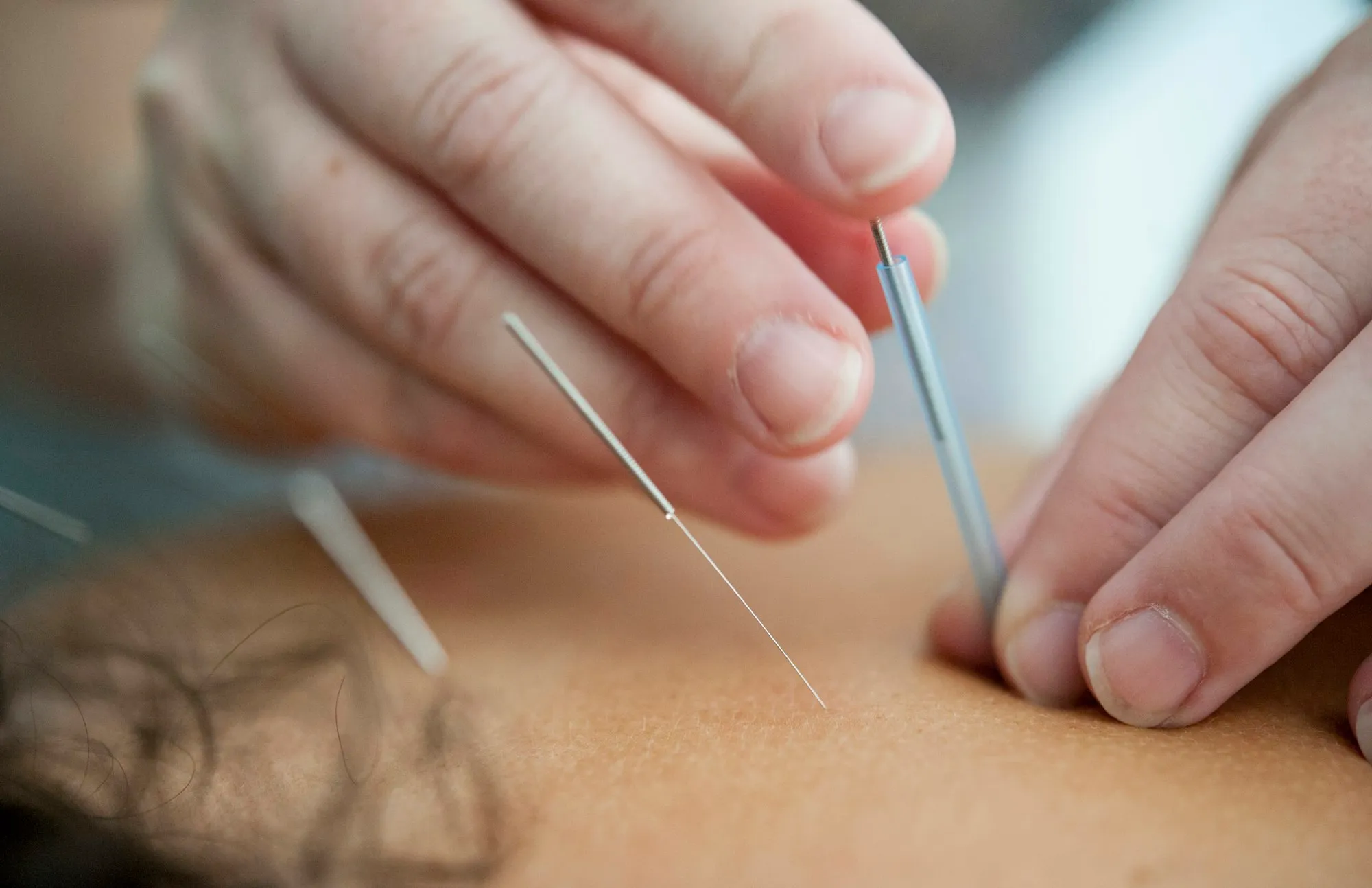
What Is Dry Needling?
Dry needling is a physiotherapy treatment that places very thin, solid needles into tight bands of muscle, often called trigger points or muscle knots. It’s called “dry” because nothing is injected. The aim is to help a tight, irritated muscle relax so you can move more comfortably.
Dry needling is based on modern anatomy and a physical assessment of your muscles, nerves and joints. It uses needles like those used in acupuncture, but the reasoning behind where they go is different.
In Alberta, dry needling is a restricted activity. A physiotherapist must complete extra training and receive authorization from Physiotherapy Alberta (the College of Physiotherapists of Alberta) before they can offer it. You can check any physiotherapist’s authorizations with the College’s “Verify a Physiotherapist” search.
Needling is rarely used on its own. It is one part of a plan that includes exercise, manual therapy and advice, so you have tools to keep making progress between visits.
Conditions We Treat with Dry Needling
Your physiotherapist will suggest dry needling only if your assessment shows that muscle tension or trigger points are part of the problem. It is often used for the concerns below.
Neck and Back Pain
Tight muscles in the neck, shoulders and back are a common cause of pain and stiffness, especially if you sit at a desk, drive for work or lift often. Dry needling may help ease that tension so turning, bending and lifting feel easier. It’s usually paired with exercise and posture advice to support your neck and back over time.
- Neck pain and stiffness
- Upper back and shoulder blade pain
- Lower back pain and muscle spasm
- Muscle tightness from desk work or driving
Muscle Knots and Trigger Points
A trigger point is a tender, tight spot in a muscle. It can hurt where it is, or send pain to another area, such as a knot in the upper shoulder that aches up into the neck and head. When the needle reaches a trigger point, the muscle may give a quick twitch. Many people notice the muscle feels looser afterwards.
Sports Injuries
Strains and overuse injuries often leave muscles tight and guarded. For active people and athletes, dry needling can be one part of a sports injury rehabilitation plan, alongside strength work, mobility exercises and return-to-sport planning.
- Muscle strains
- Tight calves, hamstrings and hip muscles
- Shoulder and rotator cuff muscle tension
- Overuse pain from running, lifting or team sports
Dry Needling vs IMS
IMS stands for intramuscular stimulation. It is a type of dry needling that targets muscles near irritated nerves, often close to the spine. IMS was developed in Canada for long-lasting pain that is thought to involve nerve irritation.
Both approaches use the same thin, sterile, single-use needles, and both are restricted activities in Alberta that need authorization from Physiotherapy Alberta. Your physiotherapist will explain which approach fits your assessment. If you have heard about IMS from a friend or your doctor, ask us whether IMS-style needling is right for you.
The main difference is where the needles go:
- Trigger point dry needling treats the tight spot in the muscle where you feel pain or tension.
- IMS treats shortened muscles linked to an irritated nerve, which often includes muscles along the spine as well as the painful area.
What to Expect at Your Appointment
Your visit starts with a physiotherapy assessment. Your physiotherapist asks about your symptoms, health history and medications, then checks how you move. If dry needling suits your situation, they explain how it works, the possible side effects and your other options, then ask for your consent. You can say no, or ask to end the treatment, at any time.
The skin is cleaned and a thin, sterile needle is placed into the muscle. Every needle is single-use and goes straight into a sharps container afterwards. Needling is usually followed by exercise or hands-on treatment, and you leave with a home plan. Wear loose, comfortable clothing so the area is easy to reach.
Let us know if soreness lasts more than a few days or anything feels unusual. Here is what you may feel during and after needling:
- A quick pinch as the needle goes in, or very little at all
- A deep ache, pressure or cramp-like feeling in the muscle
- A brief twitch when the needle reaches a trigger point
- Soreness like after a workout, which usually settles within a day or two
- A small bruise or a spot of bleeding where the needle went in
Is Dry Needling Safe?
Dry needling is generally considered safe when it is done by a trained, authorized physiotherapist using sterile, single-use needles. Minor effects such as soreness, bruising or slight bleeding are common and usually short-lived. Serious problems are rare but can happen, such as fainting, infection or, very rarely, a punctured lung when needling near the chest wall.
See a doctor first if your pain comes with fever, unexplained weight loss, numbness or weakness that is getting worse, or new problems with bladder or bowel control.
In some situations needling may not be right for you or may need to wait, and your physiotherapist will suggest other options such as manual therapy or exercise. Always tell them if you:
- Are pregnant or think you might be
- Have a bleeding disorder or take blood thinners
- Have a strong fear of needles or have fainted around needles before
- Have an infection, rash, wound or swelling where you would be treated
- Have a weakened immune system, diabetes or poor circulation
- Have lymphedema, or have had lymph nodes removed, near the area
- Have a metal allergy, such as to nickel
Dry Needling in NW Calgary
Healers also offers dry needling at our NW Calgary clinic at 176 Ambleside Cres NW. It’s a private clinic where every visit is one-on-one and by appointment.
Your care follows the same steps: a full assessment first, needling only if it suits you, and a plan that includes exercise and hands-on treatment.
Sources
- Physiotherapy Alberta – College of Physiotherapists of Alberta: What patients need to know about restricted activities
- Physiotherapy Alberta – College of Physiotherapists of Alberta: Restricted activities (needling, including dry needling and IMS)
- Boyce D, et al. Adverse events associated with therapeutic dry needling. International Journal of Sports Physical Therapy, 2020
Updated October 2026 by the Healers Physiotherapy team. This page is general information, not a diagnosis; your physiotherapist will assess you before recommending treatment.

